
Home > 51 Shakti Peeth In India – The Complete List With Name & Location

The sacred Shakti Peeths in India represent one of Hinduism’s most significant pilgrimage networks. These divine sites emerged from the tragic story of Goddess Sati, whose body parts fell across different places after Lord Shiva carried her body in deep sorrow. Each Shakti Peeth is a place where a part of Sati’s body falls, creating powerful energy centers that devotees believe connect them directly to the deity. With 51 main Shakti Peeths spread throughout India and neighboring countries, these temples stand as some of the important places in Hinduism. This blog walks through the complete list of all 51 Shakti Peeth in India along with their locations and the body parts of Devi Sati.
Shakti Peeths are holy places in India that show the power of the divine feminine, known as Shakti in Hinduism. Each of these temples is full of strong spiritual energy. People believe that by visiting them, they can feel close to the goddess and her many forms. When you visit these shakti peethas in India, you’re not just exploring historical temples but participating in an ancient tradition that has sustained faith for thousands of years.
Each Shakti Peeth is linked to a body part of Goddess Sati, and it’s believed that the temple gives special blessings based on which part fell there.
Shakti Peeth Name | Location | Body Part of Devi Sati |
Mahamayi Temple | Amarnath, Jammu & Kashmir | Throat |
Phullara Temple | Birbhum, West Bengal | Lower Lip |
Bahula Temple | Bardhaman, West Bengal | Left Arm |
Mahishmardini Temple | Bakreshwar, West Bengal | Portion of head between Eyebrows |
Maa Avanti Temple | Ujjain, Madhya Pradesh | Elbow/Upper Lip |
Maa Aparna Temple | Bogra, Bangladesh | Ribs of left chest/Right eye |
Gandaki Chandi Temple | Mustang, Nepal | Cheeks |
Maa Bhramari Temple | Nashik, Maharashtra | Chin |
Maa Hinglaj Temple | Balochistan, Pakistan | Head |
Jayanti Shakti Mata Temple | West Jaintia Hills, Meghalaya | Left Thigh |
Maa Jeshoreshwari Temple | Khulna, Bangladesh | Palm |
Jwala Mata Temple | Kangra, Himachal Pradesh | Tongue |
Maa Dakshina Kali Temple | Kalighat, West Bengal | Right Toes |
Maa Kalmadhav Temple | Amarkantak, Madhya Pradesh | Left Buttock |
Maa Kamakhya Temple | Guwahati, Assam | Yoni (Genitals) |
Maa Devgarbha Temple | Birbhum, West Bengal | Bones |
Maa Sravani Temple | Kanyakumari, Tamil Nadu | Back and Spine |
Chamundeshwari/Jay Durga Temple | Mysore, Karnataka | Hair |
Vimala Devi/Kiriteshwari Temple | Murshidabad, West Bengal | Crown |
Maa Anandamayi Temple | Hooghly, West Bengal | Right Shoulder |
Maa Brahmari Temple | Jalpaiguri, West Bengal | Left Leg |
Maa Dakshayani Temple | Mansarovar, Tibet | Right Hand |
Maa Gayatri Temple | Pushkar, Rajasthan | Wrist |
Maa Uma (Mithila) Temple | Janakpur, Nepal | Left Shoulder |
Nagapooshani Amman Temple | Jaffna Peninsula, Sri Lanka | Anklet |
Mahashira Pashupatinath Temple | Kathmandu, Nepal | Hips |
Maa Bhavani Temple | Chittagong, Bangladesh | Right Arm |
Maa Varahi Panchsagar Temple | Varanasi, Uttar Pradesh | Lower Teeth |
Maa Chandrabhaga Temple | Prabhas, Gujarat | Stomach |
Lalita Devi Temple | Prayagraj, Uttar Pradesh | Fingers |
Maa Savitri/Bhadrakali Temple | Kurukshetra, Haryana | Right Ankle |
Maa Shivani Temple | Chitrakoot, Uttar Pradesh | Left Breast |
Maa Nandini/Nandikeshwari Temple | Birbhum, West Bengal | Necklace |
Maa Sarvashail Rakini Temple | East Godavari, Andhra Pradesh | Left Cheek |
Maa Mahishasurmardini Temple | Karachi, Pakistan | Third Eye |
Narmada Mata Temple | Anuppur, Madhya Pradesh | Right Buttock |
Maa Bhramaramba Temple | Kurnool, Andhra Pradesh | Right Ankle |
Maa Mahalakshmi Temple | Kolhapur, Maharashtra | Body (Neck) |
Maa Narayani Temple | Suchindram, Tamil Nadu | Upper Teeth |
Maa Sugandha Temple | Shikarpur, Bangladesh | Nose |
Tripura Sundari Temple | Gomati, Tripura | Right Leg |
Maa Mangal Chandi Temple | Bardhaman, West Bengal | Right Wrist |
Maa Vishalakshi Temple | Varanasi, Uttar Pradesh | Earrings |
Maa Kapalini/Kali Maa Temple | Medinipur, West Bengal | Left Ankle |
Maa Ambika Temple | Bharatpur, Rajasthan | Left Leg |
Maa Uma/Katyayani Temple | Mathura, Uttar Pradesh | Hair |
Maa Tripurmalini Temple | Jalandhar, Punjab | Left Breast |
Maa Amba at Ambaji Temple | Gujarat | Ears |
Jai Durga Temple | Deoghar, Jharkhand | Heart |
Maa Danteshwari Temple | Dantewada, Chhattisgarh | Tooth |
Maa Biraja Temple | Jajpur, Odisha | Navel |
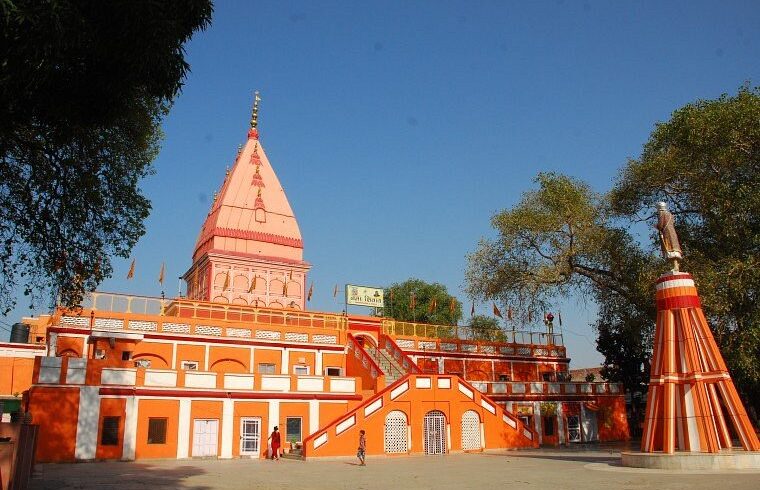
Located in Anantnag district, this sacred mata shakti peeth in india is where Maa Sati’s throat fell. Devotees worship Shakti as Maa Mahamayi, while Lord Shiva is remembered as Bhairav Trisandhayaser. The temple is conveniently accessible from Jammu Airport.
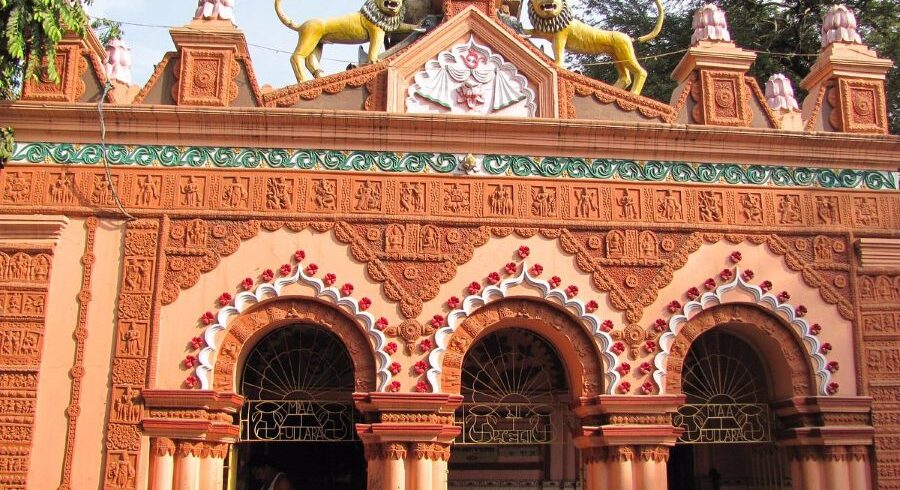
This key temple among the shakti peeth temples in india is situated in Birbhum district. Here, Maa Shakti is worshipped as Maa Phullara, marking the sacred spot where Maa Sati’s lower lip fell. The temple is easily accessible from Kolkata’s Dum Dum Airport.
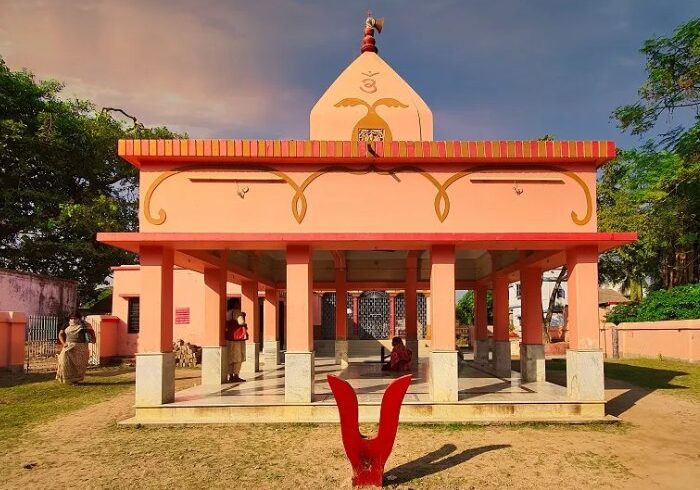
Located in Bardhaman district, this devi shakti peeth in india commemorates where Maa Sati’s left arm fell. Devotees worship her as Maa Bahula Devi, and the temple is conveniently located near Kolkata Airport.
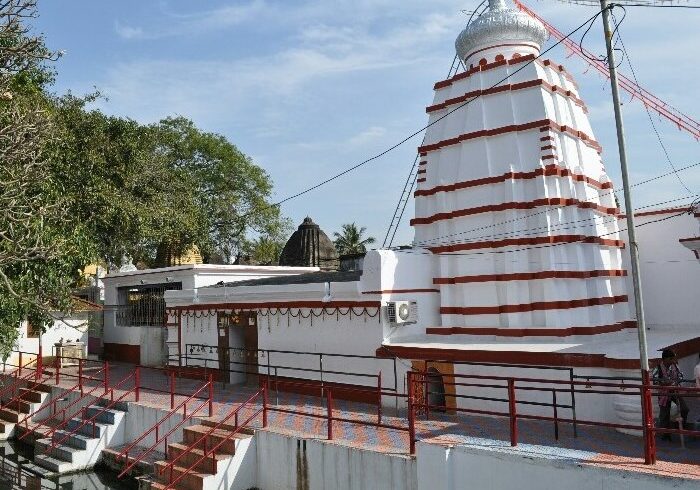
Situated in Bakreshwar town, Birbhum district, this temple marks where the middle portion of Sati’s head between the eyebrows fell. Maa is worshipped here as Maa Mahishmardini.
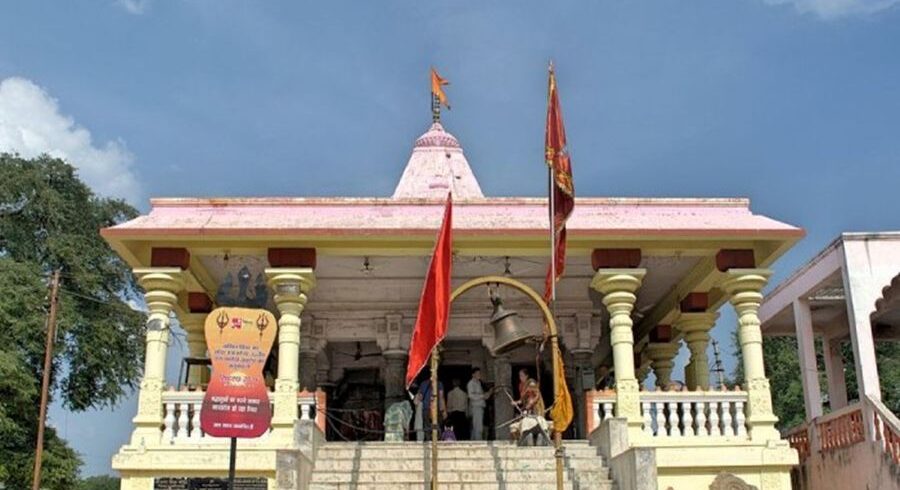
Located on Bhairavparvat in Ujjain, this temple is where Maa Sati’s upper lip and elbow fell. She is worshipped as Maa Avanti here. The nearest airport is Devi Ahilayabai Holkar International Airport in Indore.
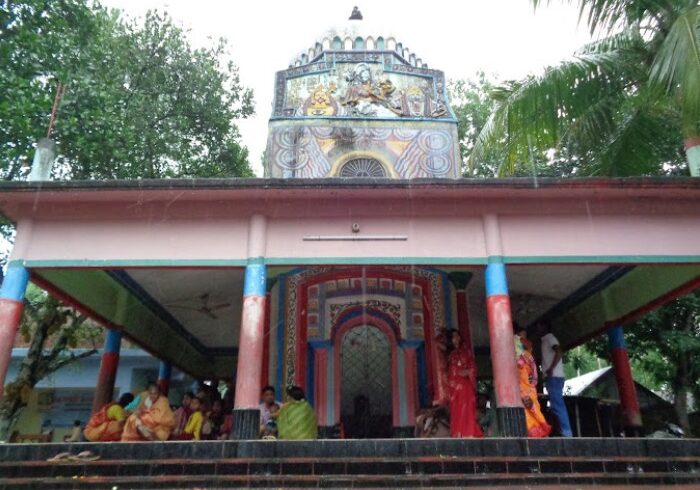
Situated in Bogra district, Bangladesh, devotees worship Maa Sati as Maa Aparna at this sacred site where her left chest ribs and right eye fell.
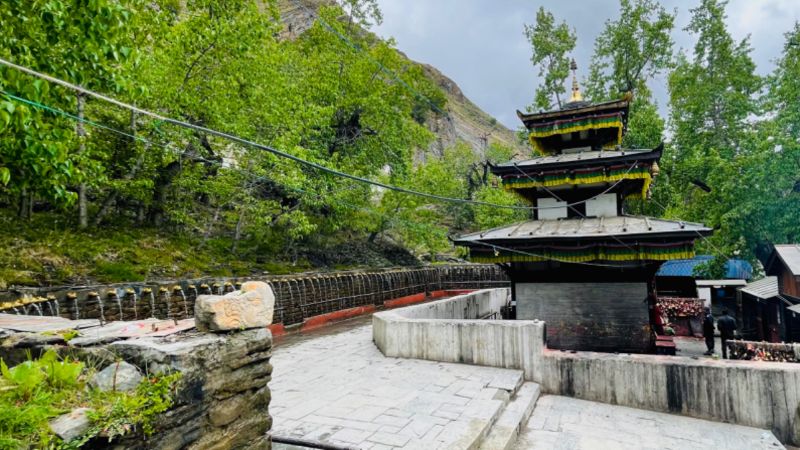
Located in Mustang district, Nepal, this temple marks where Mata Sati’s cheeks fell. She is worshipped as Gandaki Chandi, with Kathmandu being the nearest major airport.
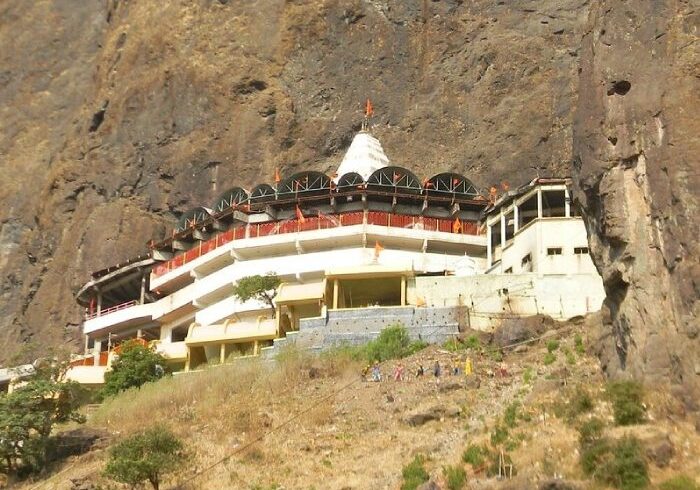
Situated near Panchvati in Nashik district, this temple commemorates where Maa Sati’s chin fell. Maa Bhramari is worshipped here as Maa Chibuka, located approximately 60 km from Nashik.
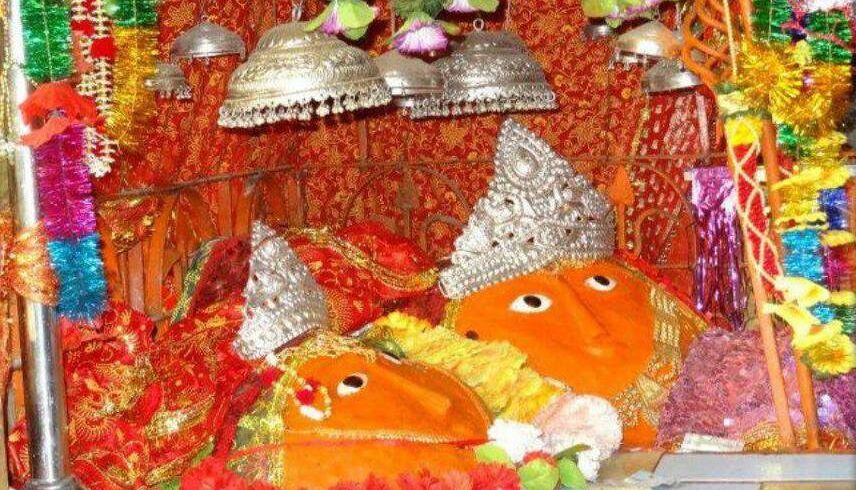
Located in Hingol National Park, Lasbela district, Balochistan, this temple marks where Maa Sati’s head fell. Karachi Airport is the nearest major airport to this sacred site.
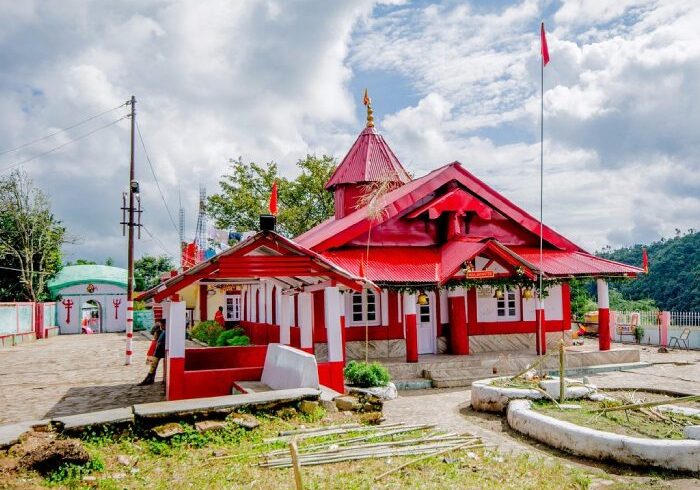
Also known as Nartiang Durga Temple, this unique shrine is where Mata Sati’s left thigh fell. During Durga Puja, devotees worship a banana tree as the Goddess, making it one of the most distinctive practices among shakti peeth in india.
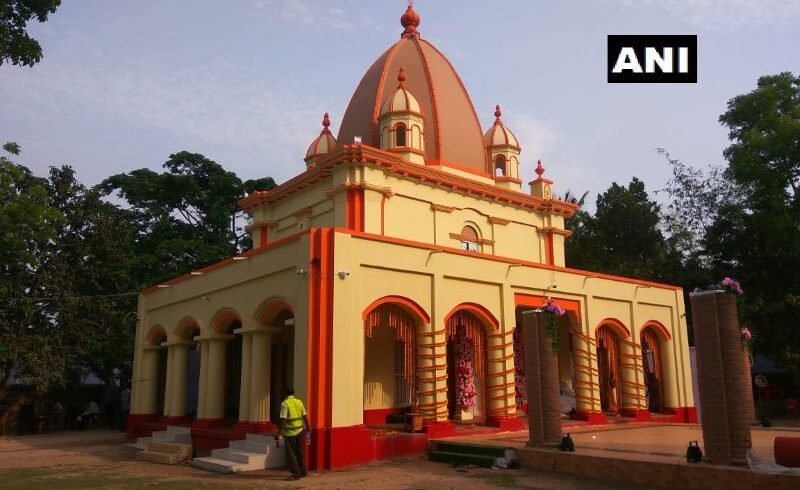
Located in a small village in Shyamnagar, Khulna district, this temple dedicated to Goddess Kali marks where Mata’s palm fell.
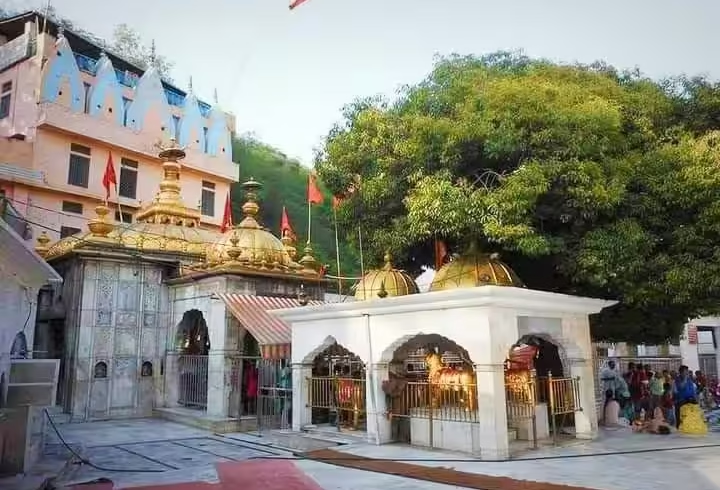
One of the most powerful shakti peeth in india, also known for its natural gas flames. This revered temple claims Sati’s tongue fell here. Located near Dharamshala Airport in Kangra district.
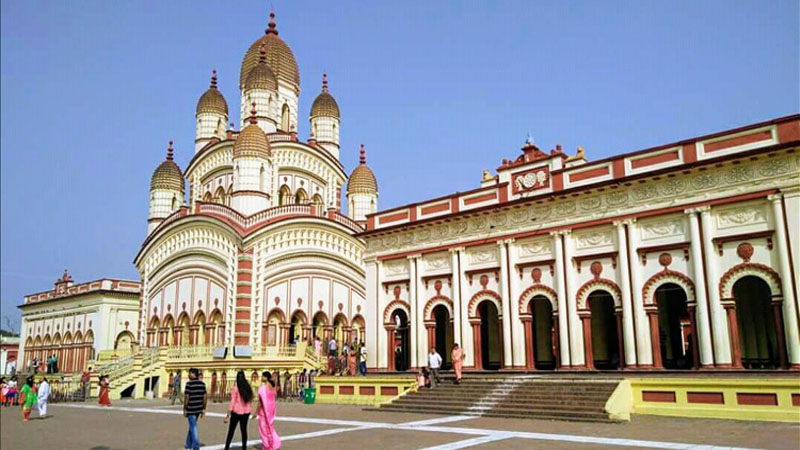
Also known as Dakshineshwar Kali Temple, this renowned shrine is dedicated to Bhavatnarini (a form of Kali). The site marks where Mata Sati’s right toes fell, making it one of the famous shakti peeth in india.
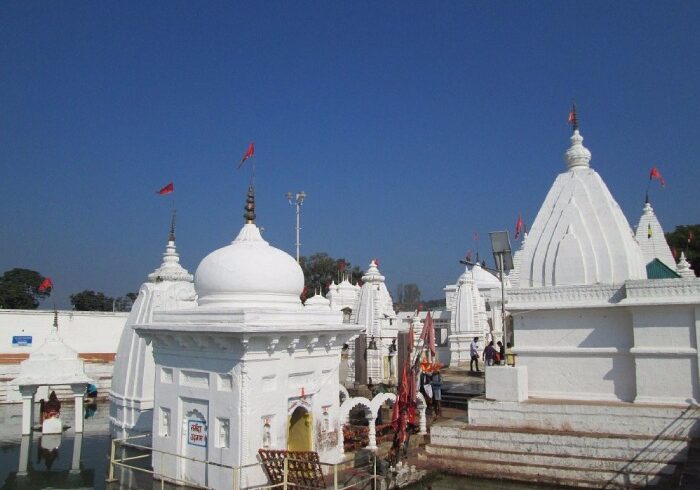
Situated in Anuppur district at the origin of the Narmada river, this temple marks where Mata Sati’s left buttock fell. The temple is dedicated to Kalmadhav (a form of Maa Kali) and Lord Shiva as Astananda.

Located in Guwahati district, approximately 20 kilometers from Guwahati International Airport, this temple marks where Mata Sati’s genital parts fell, making it one of the most revered shakti peeth temples in india.
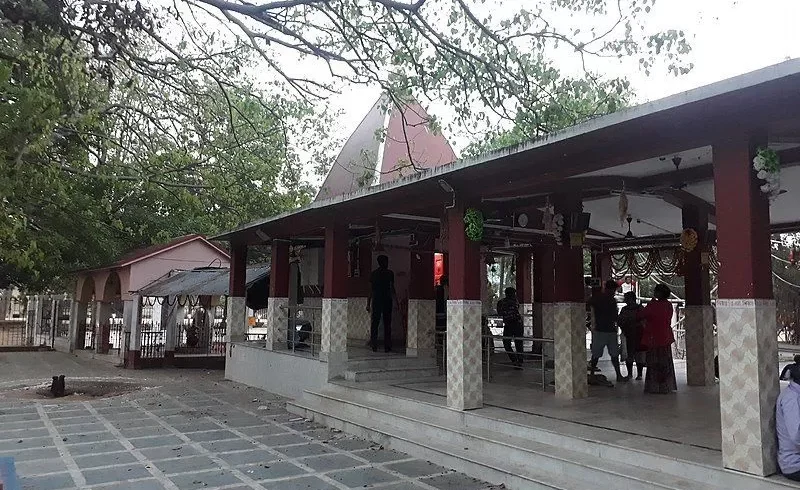
Also known as Kankalitala Temple, this shrine on the banks of the Kopai river marks where Maa Sati’s bones fell.
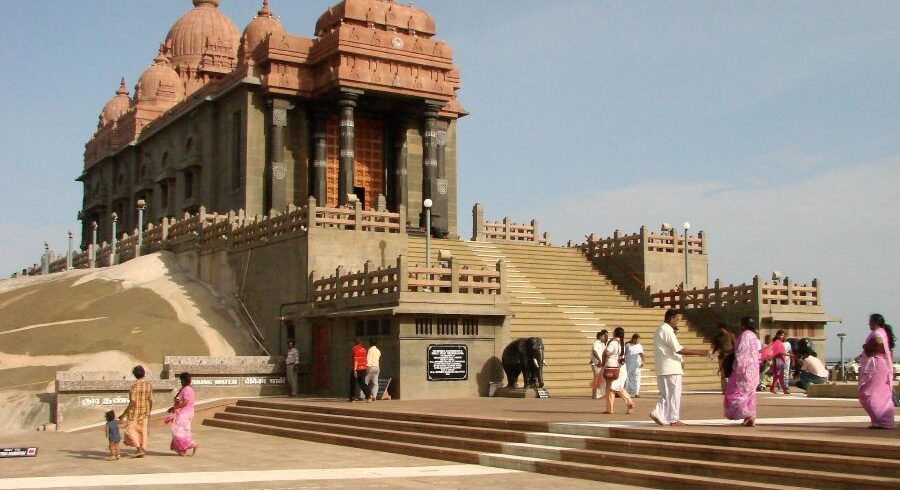
This shakti peeth in south india is where Maa Sati’s back and spine fell. Located approximately 90 kilometers from Trivandrum Airport.

One of the most revered Hindu temples, located on Chamunda Hills about 13 kilometers from Mysore. Dedicated to Goddess Maa Chamunda, this temple is known for its stunning beauty and panoramic views.
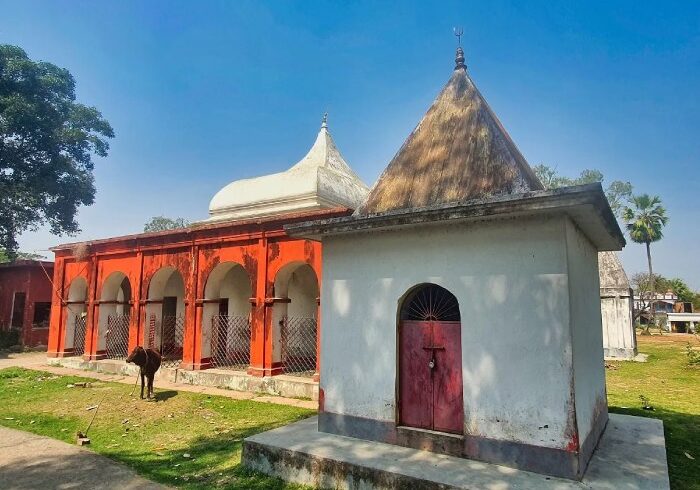
Where Mata Sati’s crown fell, this temple is also known as Kiriteshwari Mata. Located about 195 km from Kolkata airport, it’s one of the four Adi Shakti Peeths and is dedicated to Maa Vimala (a form of Goddess Parvati).
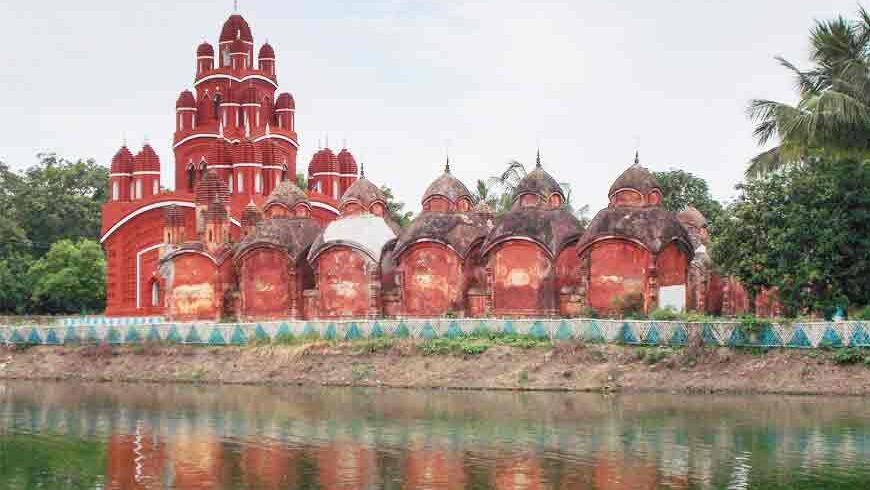
Situated on the banks of the Ratnaker river, this temple marks where Mata Sati’s right shoulder fell. Located about 79 km from Kolkata airport.
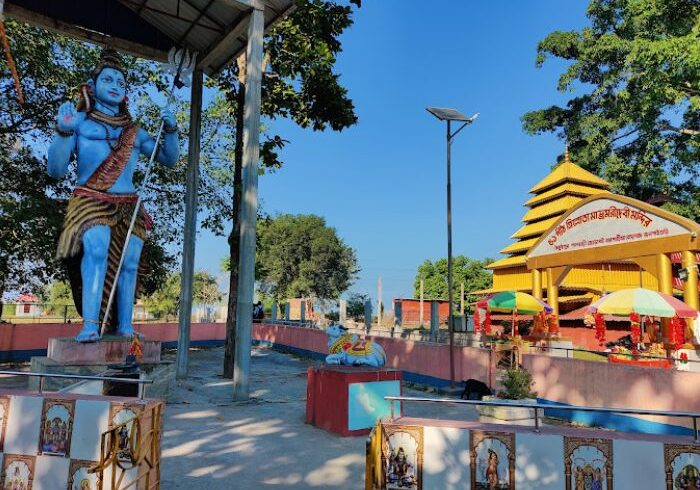
In Jalpaiguri, devotees believe Mata Sati’s left leg fell here, and she is worshipped as Mata Brahmari Devi. This temple is also dedicated to Goddess Maa Durga.
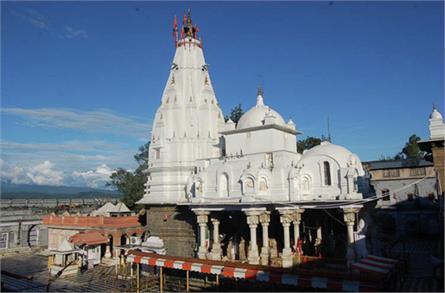
Also known as Manasha Shakti Peeth, this temple in Mansarovar marks where Mata Sati’s right hand fell. Nagri Gunsha Airport is the nearest airport.
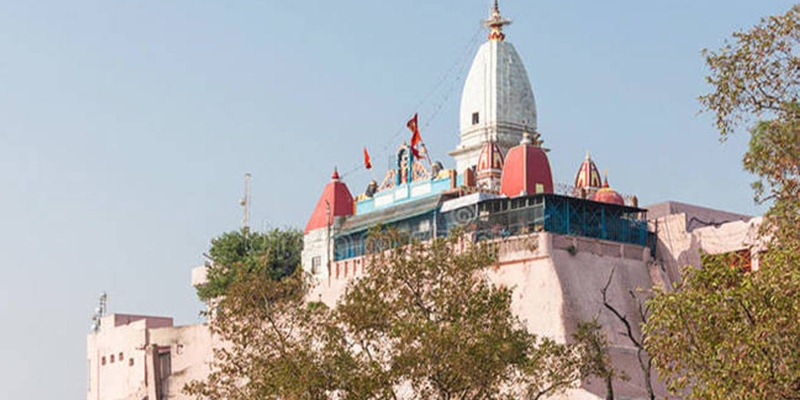
Located in Ajmer district, this temple marks where Mata Sati’s wrist fell. She is worshipped as Maa Gayatri here, near Jaipur Airport. The temple becomes a major attraction during the annual Pushkar Mela.
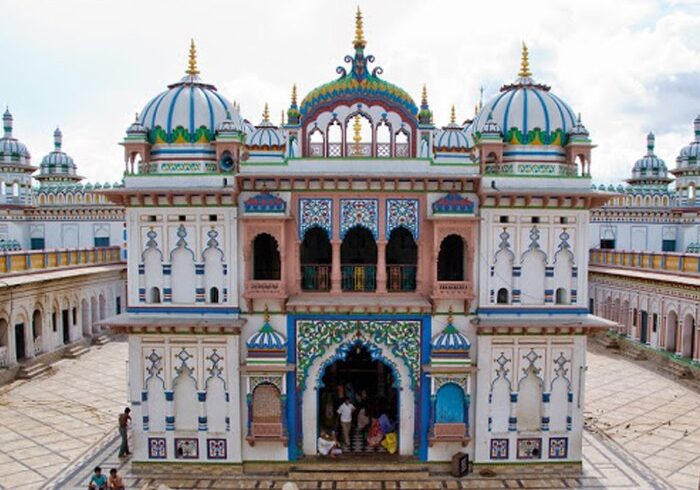
Known as Mithila Shakti Peeth, this temple dedicated to Goddess Durga is located in Janakpur, Nepal, near the Bihar border. The left shoulder of Sati is said to have fallen here.
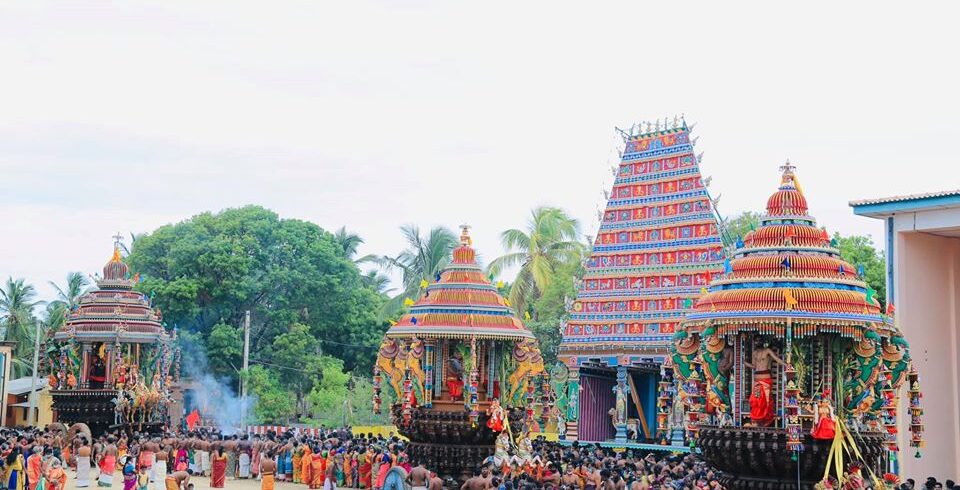
Also known as Nainativu Amman Temple, this revered shrine dedicated to Goddess Parvati is located on an island in Sri Lanka. It’s one of the 51 shakti peeth where Mata Sati’s anklet fell.
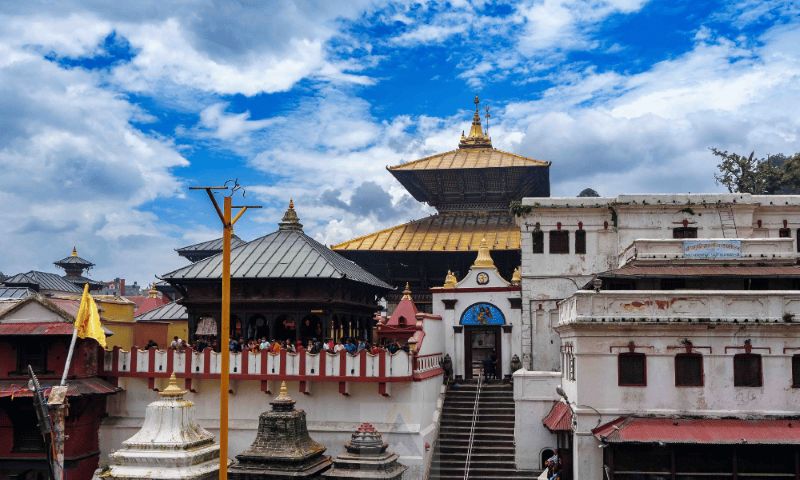
Located in Kathmandu, this temple is dedicated to Lord Pashupati (Lord Shiva), while Mata Sati is worshipped as Goddess Durga. This famous site marks where Mata Sati’s hips fell.
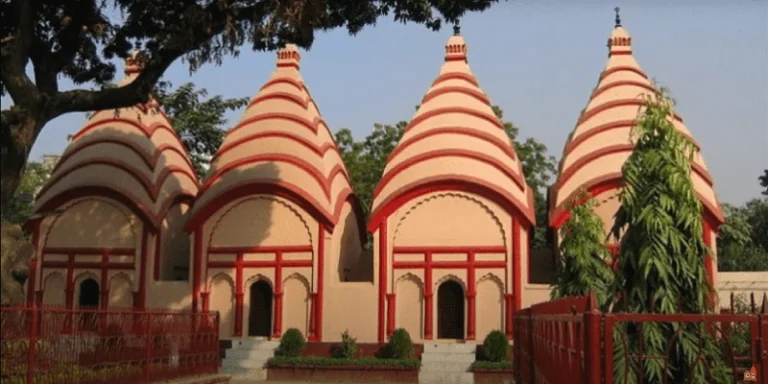
Also known as Aparna Shakti Peeth, this temple is where Mata Sati’s right arm fell. Located 55 km from Shah Amanat Airport in Chittagong, devotees worship her as Mata Bhavani.
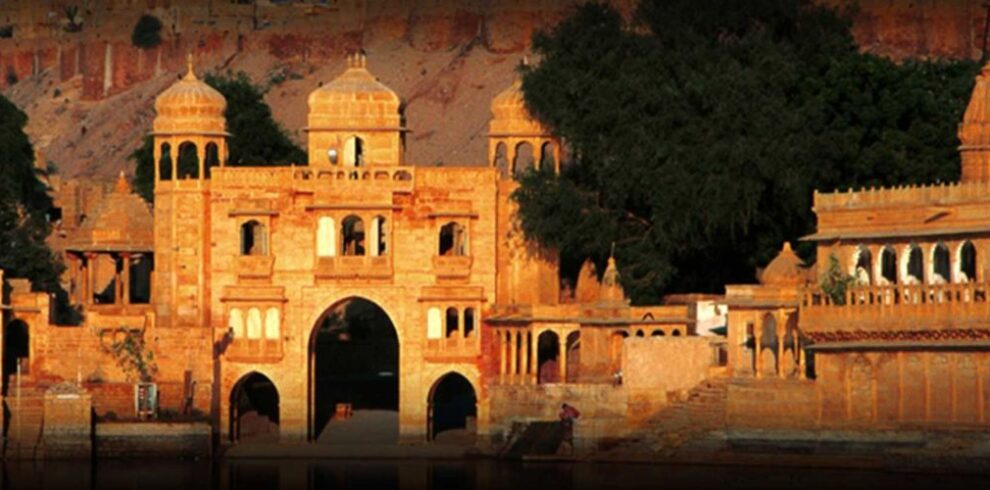
Situated on the banks of the Ganga river in Varanasi, this temple dedicated to Mata Varahi is also known as Panchsagar Shakti Peeth. The unique feature is its limited opening hours from 5:30 AM to 7:30 AM daily, where Mata Sati’s lower teeth fell.
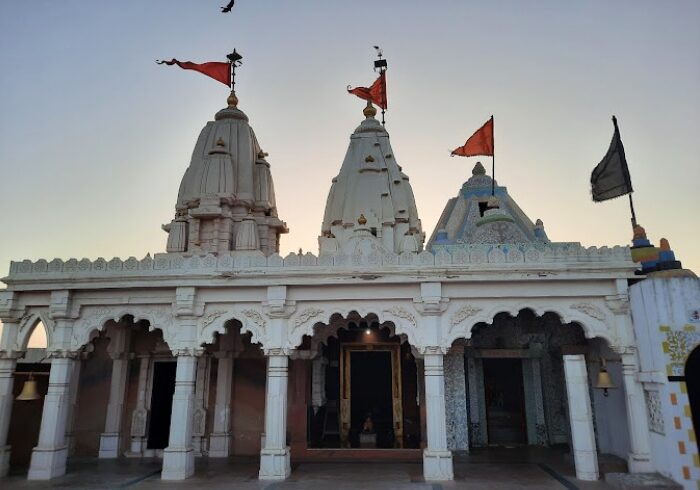
Also known as Prabhas Shakti Peeth, located near Somnath, Gujarat, this temple marks where Mata Sati’s stomach fell. The temple is dedicated to Maa Chandrabhaga (a form of Mata Sati) and Lord Shiva as Vakratunda.
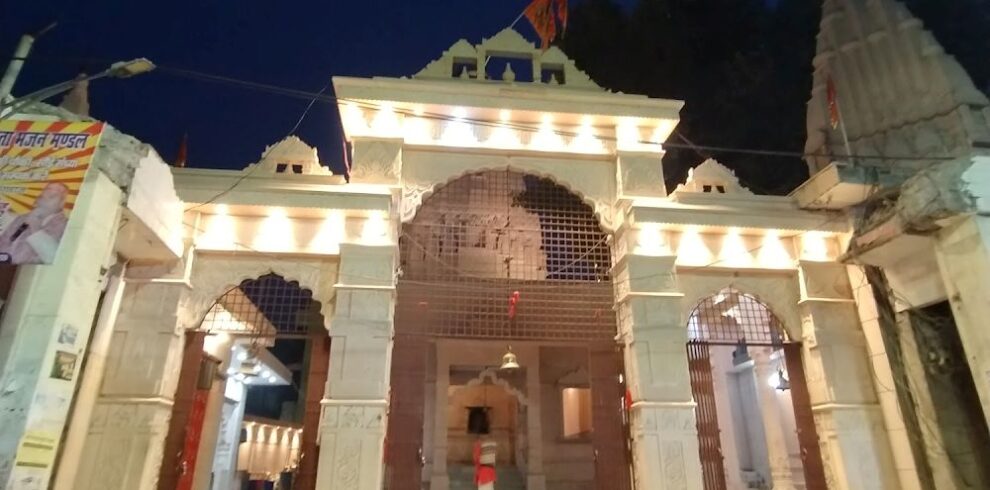
Located at Meerapur behind Kali Mandir in Prayagraj, this temple dedicated to Lalita Devi Maa is only 5 km from the Sangam site. This sacred spot marks where Mata Sati’s fingers fell.
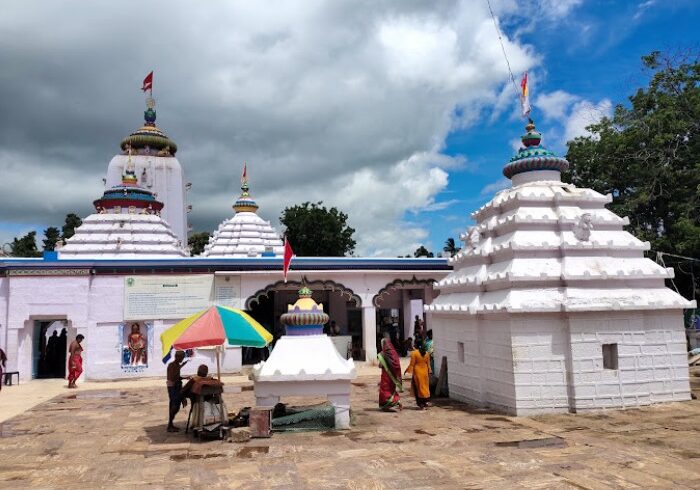
Located 125 km north of Bhubaneswar Airport, this temple with a beautiful and majestic idol of Maa Durga marks where Mata Sati’s navel fell.
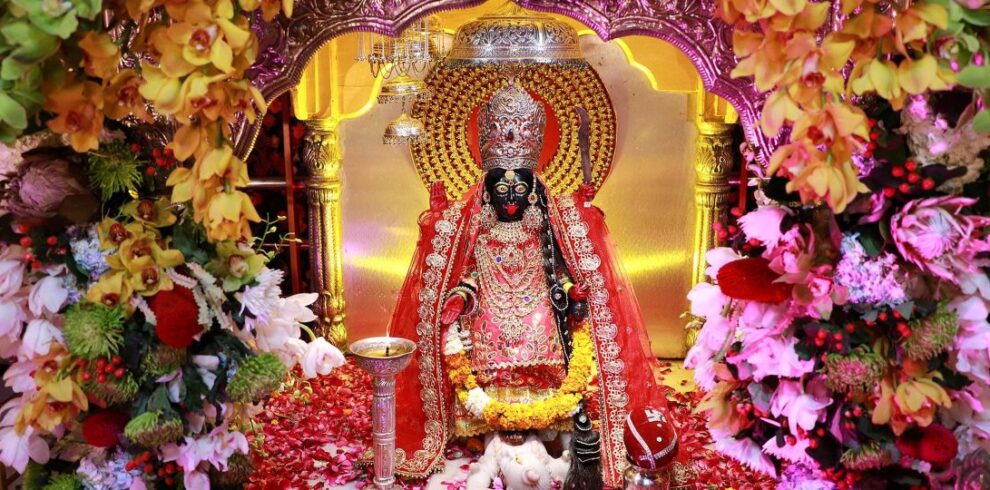
Also known as Shree Devikoop Bhadrakali Mandir, this temple dedicated to Mother Goddess Kali is where Mata Sati’s right ankle fell. Located 92 km from Chandigarh Airport.
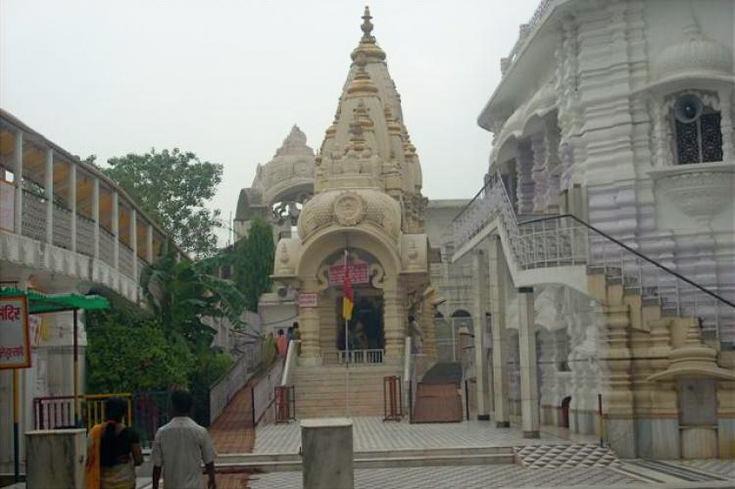
Located in Chitrakoot hills on the banks of the Mandakini River, this temple marks where Mata’s left breast fell. Considered one of India’s most sacred temples, Mata Sati is worshipped here as Maa Shivani.
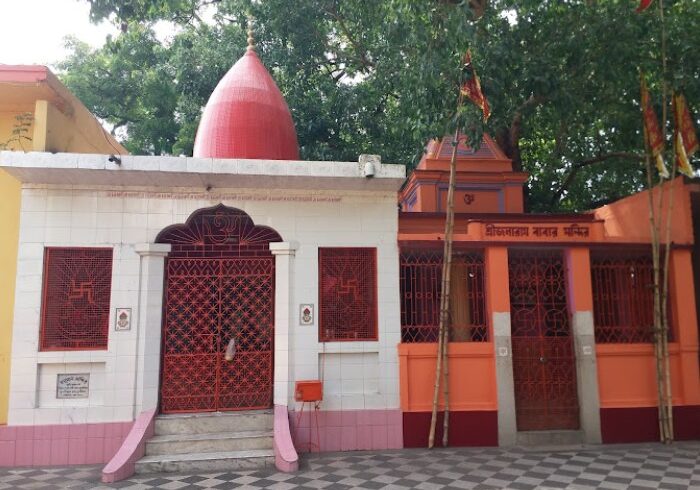
In Birbhum district, this temple dedicated to Mata Durga marks where Mata Sati’s necklace fell. She is worshipped as Maa Nandini here, approximately 220 km from Kolkata Railway Station.
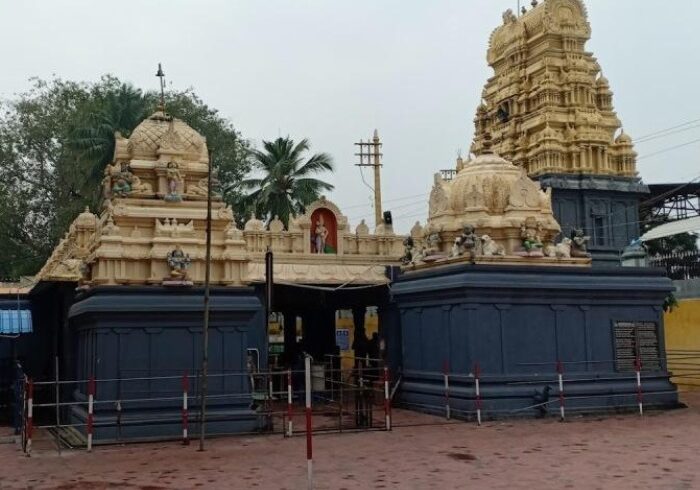
Located in East Godavari district, Mata Sati is worshipped as Maa Rakini (Visheshwari) where her left cheek fell, while Lord Shiva is worshipped as Vatsnabha.
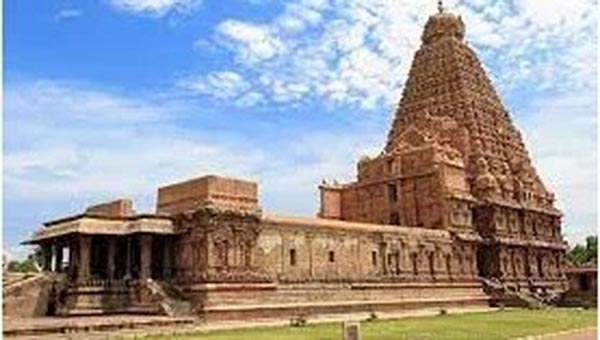
Located near Parakai Railway Station in Karachi, this temple dedicated to Goddess Durga marks where Sati Mata’s third eye fell, making it one of the 51 shakti peeth.
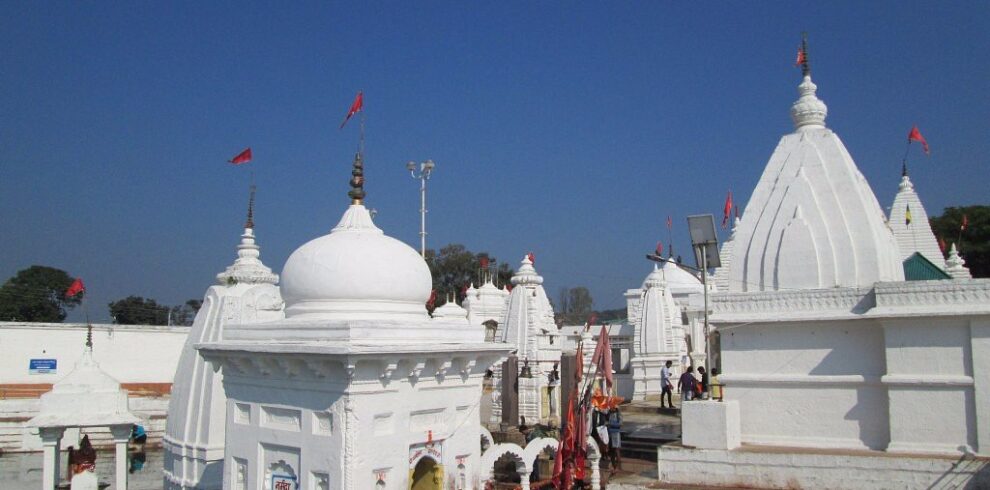
Also known as Sondesh Shakti Peeth, this temple on the banks of the Narmada river in Amarkantak marks where Mata’s right buttock fell.
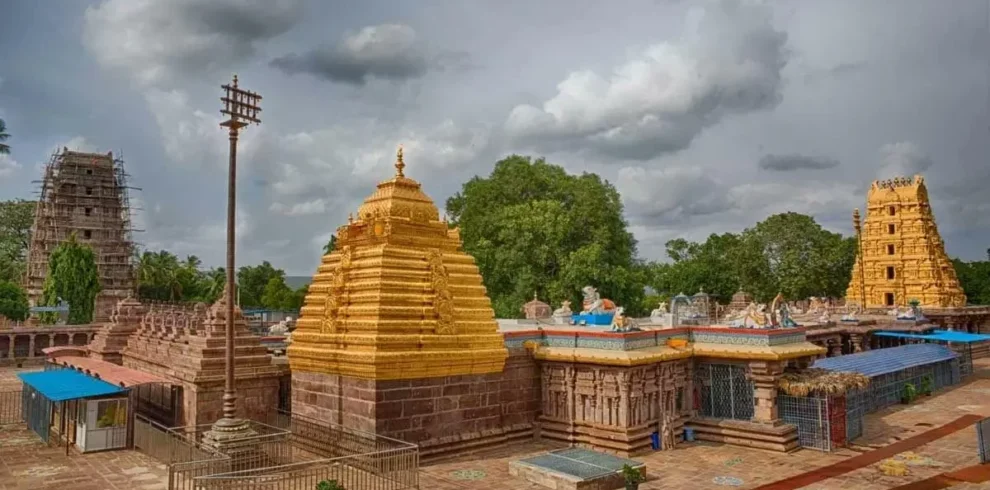
Located on the banks of the Krishna river, this temple dedicated to the goddess of bees marks where Sati’s right ankle fell. It’s a holy shrine dedicated to Mata Parvati.
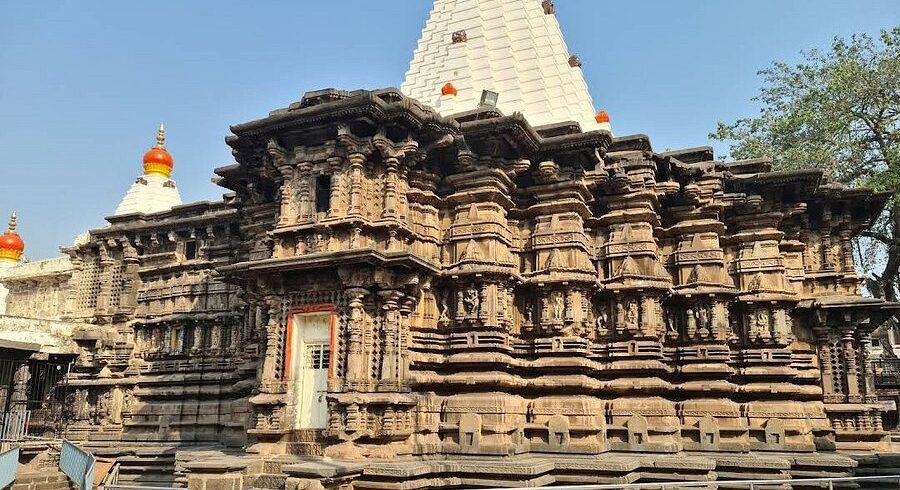
Also known as Ma Ambabai and “Dakshin Kashi,” this maharashtra shakti peeth is where devotees believe all wishes are fulfilled. This temple marks where Goddess Mata Sati’s body fell.
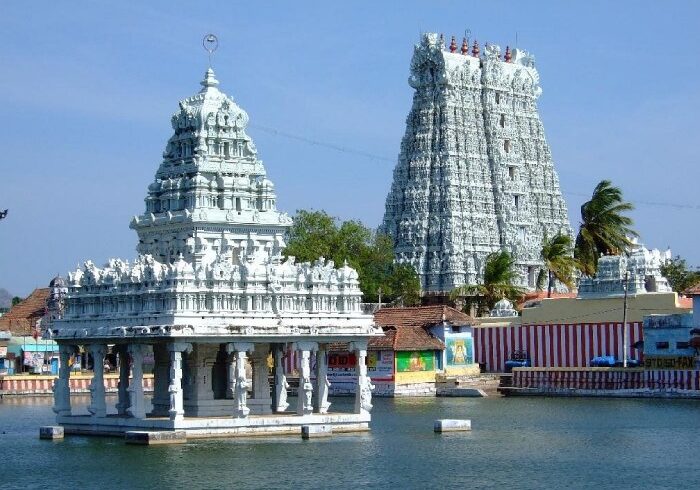
Known as Suchindram Shakti Peeth, this shakti peeth in south india marks where Maa Sati’s upper teeth fell. Easily accessible by road, it’s just 4 km from Nagarcoil Junction railway station.
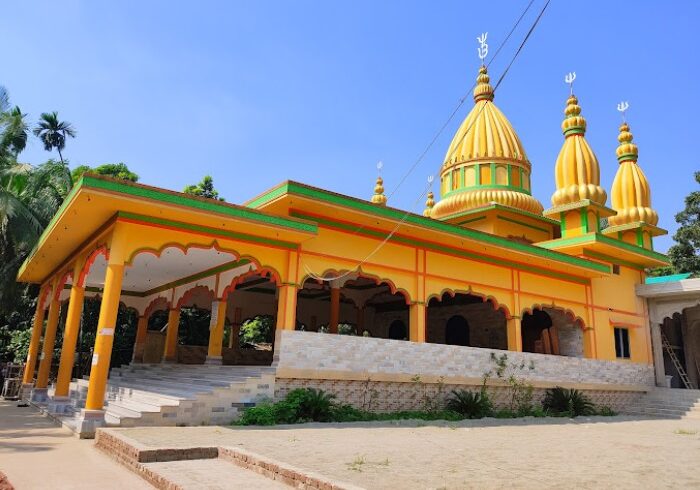
Located in Shikarpur village, Bangladesh, this temple dedicated to Goddess Maa Sugandha is one of the most famous Shakti Peeths where Mata Sati’s nose fell.
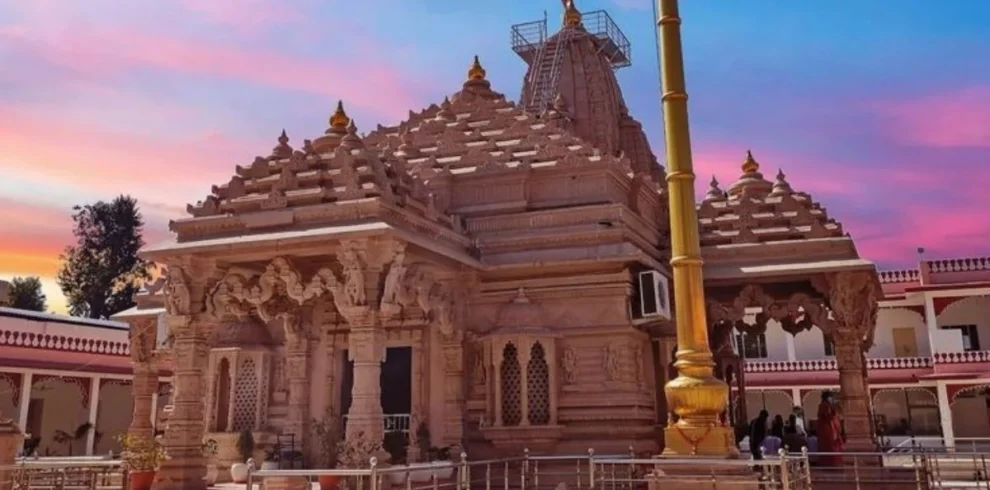
Also known as Matabari, this sacred temple in Udaipur, Tripura, features unique Bengali architecture. Located about 55 km from Agartala, it marks where Mata Sati’s right leg fell.
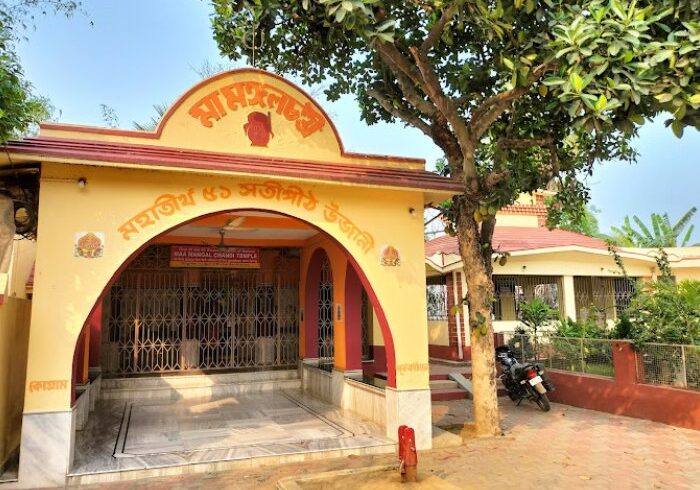
Located in Ujani village, Bardhaman district, this temple dedicated to Maa Chandi marks where Mata Sati’s wrist fell. It’s 16 km from Guskara Railway Station.
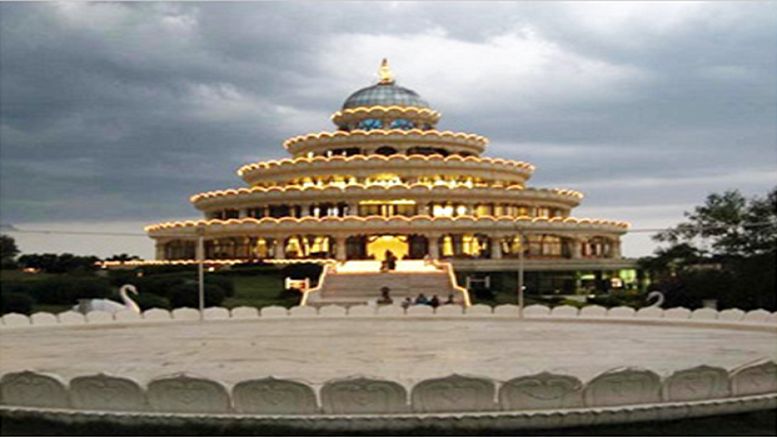
Also known as Gauri Mandir, this famous temple near Ganga Mahal Ghat in Varanasi marks where Mata’s earrings fell.
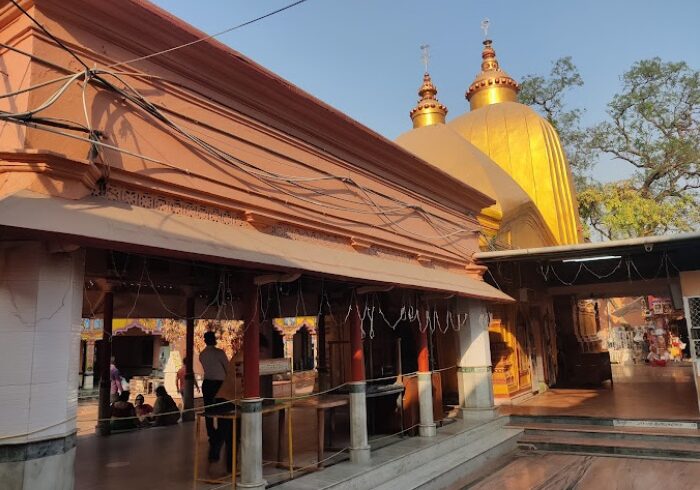
This revered temple dedicated to Maa Kali marks where Mata Sati’s left ankle fell. Located in West Bengal, it’s considered a powerful center of spiritual energy.
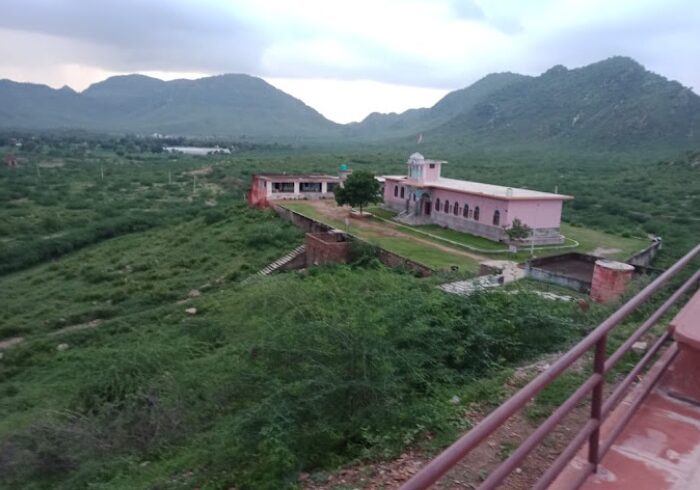
Situated 90 km from Jaipur in Bharatpur, this temple marks where Mata Sati’s small toes fell. The idols are called Ambika (Mata Sati) and Amriteshwar (Lord Shiva).
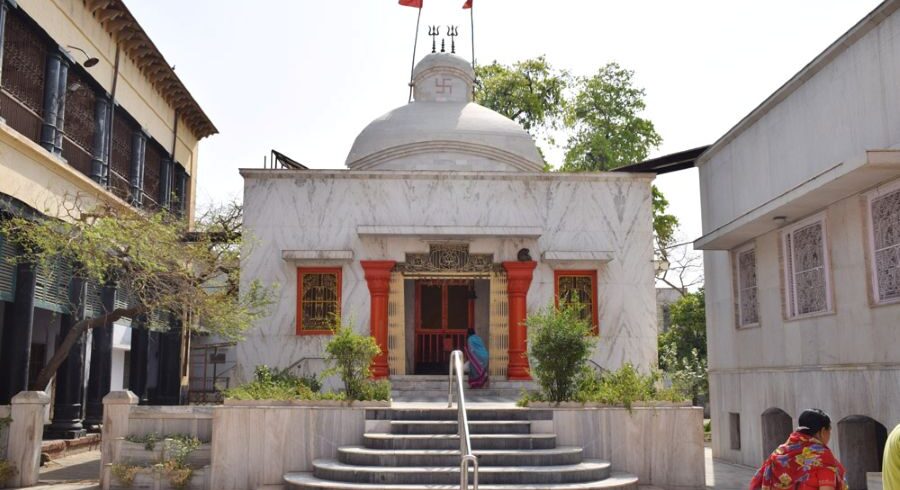
Also known as Maa Katyayani Temple, this famous shrine marks where Mata’s hair fell. Located 1 km from Vrindavan bus stop and 13 km from Mathura railway station.
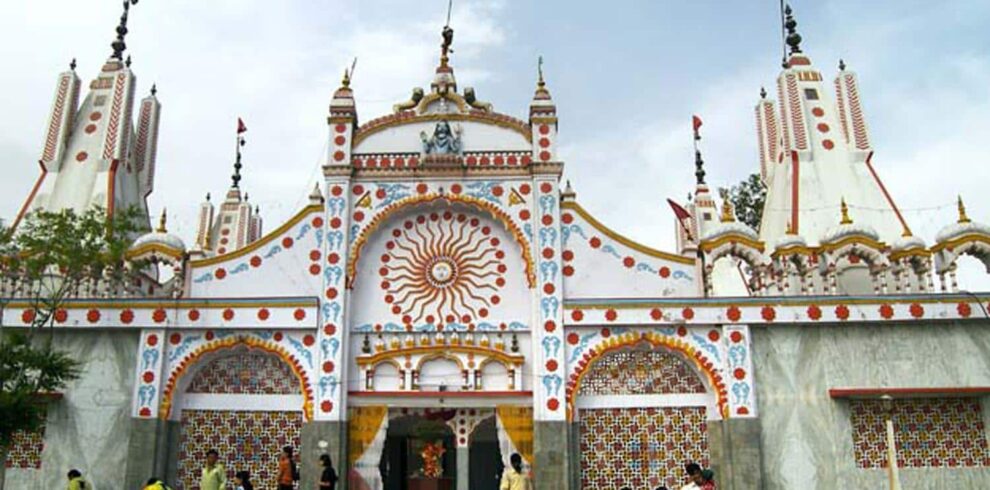
Located in Jalandhar, Punjab, this temple marks where Maa Sati’s left breast fell. The deities are worshipped as Tripurmalini (Devi) and Bhisan (Shiva).
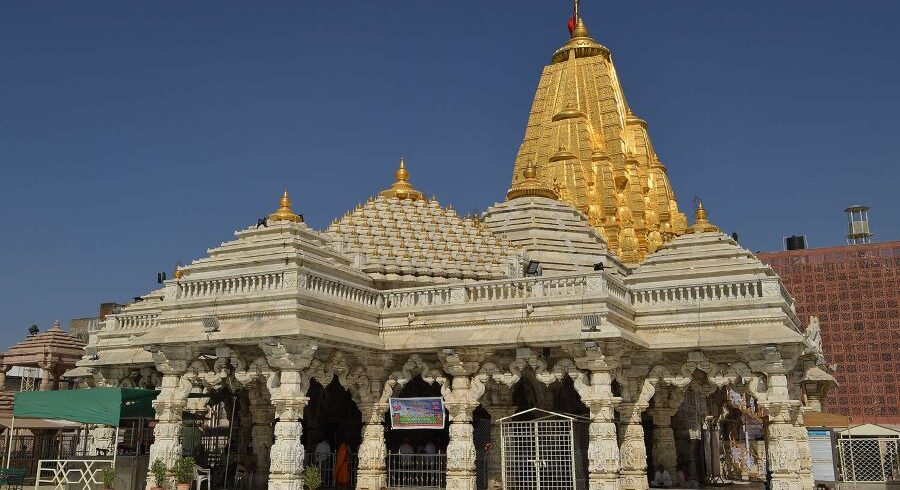
Located in Ambaji town near the Aravalli Range, this sacred temple dedicated to Maa Ambaji marks where Mata Sati’s ears fell.

Also called Hriday Peeth, this temple near Baba Baidyanath Dham marks where Mata’s heart fell. It’s believed that Lord Shiva carried Mata Sati’s heart here and cremated it.
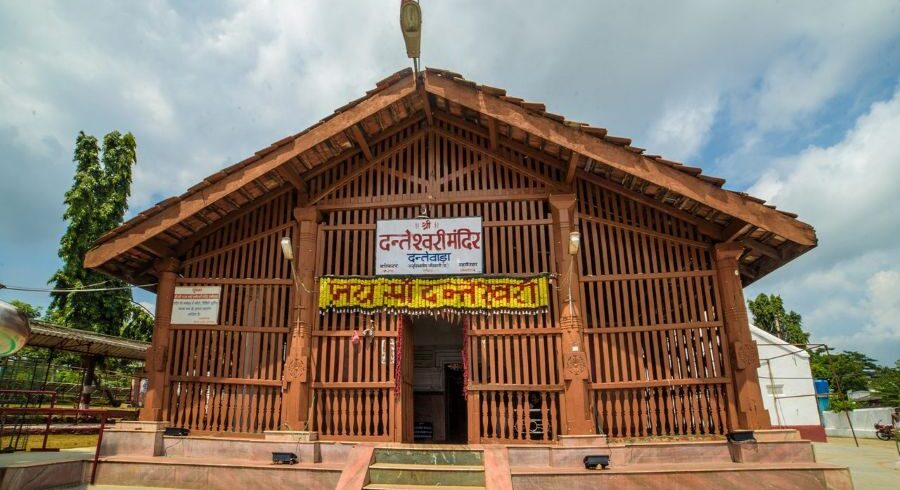
Located in Dantewada, 80 km from Jagdalpur tehsil, this divine shrine of Maa Shakti marks where Mata Sati’s tooth fell.
The Shakti Peethas originated from a sad yet powerful story from Hindu mythology. Goddess Sati was the daughter of King Daksha and the wife of Lord Shiva. One day, her father insulted Lord Shiva during a big religious event (yagna). Hurt and angry, Sati gave up her life by jumping into the fire.
After the incident, Lord Shiva was heartbroken. In his pain and anger, he carried Sati’s body and began a fierce dance i.e., Tandava, which could destroy the world. To calm him down and save the universe, Lord Vishnu used his Sudarshan Chakra to cut Sati’s body into pieces. These pieces fell in different places across the earth.
Each place where a part of Sati’s body fell became a Shakti Peeth—a sacred spot filled with the divine energy of the goddess. Today, these temples are important centers of faith and devotion for millions of Hindus.
Traditionally, there are 51 Shakti Peeths across the Indian subcontinent, though some stories mention 52. Most of these holy places—around 42 shakti peeths—are in India. The rest are in nearby countries like Bangladesh, Nepal, Pakistan, and Sri Lanka.
The exact count varies slightly according to different religious texts. But all Shakti Peeths are seen as powerful and sacred spots filled with the energy of the goddess.
The 51 Shakti Peeths are spread across the Indian subcontinent. Most of them are in India, in states like West Bengal, Assam, Gujarat, Maharashtra, Uttar Pradesh, Himachal Pradesh, Tamil Nadu, Andhra Pradesh, and Odisha.
Other important Shakti Peeths are also in nearby countries. For example:
Each of these places is filled with cosmic energy and is a sacred spot for devotees.
The four most powerful Shakti Peeth in India, often referred to as the Ashtabhuja Shakti Peeths or Maha Shakti Peeths, are:
These are considered especially powerful due to the significance of the body parts that fell there and the intense form of the goddess worshipped at these locations.
The Kamakhya Temple in Guwahati, Assam, is known as one of the most powerful Shakti Peeths in India. It is believed to be the place where Goddess Sati’s womb and genitals fell, symbolizing her power to create life.
This temple is a major center for Tantric worship and is especially famous for the Ambubachi Mela, a yearly festival that honors the goddess’s menstrual cycle—seen as a time of great energy and renewal.
Unlike other temples, Kamakhya doesn’t have a statue of the goddess. Instead, it has a natural rock shaped like a yoni (female organ), which stays naturally wet from an underground spring, showing the constant presence of Shakti’s energy.
Some traditions believe that Vaishno Devi, located in Jammu and Kashmir, is a half or “ardha” Shakti Peeth. According to a few local stories, it’s the place where Goddess Sati’s arm fell. However, not all ancient texts agree on this, so it’s not officially listed among the main 51 Shakti Peeths.
Still, Vaishno Devi is one of the most popular pilgrimage sites in India. Every year, millions of devotees climb up the mountain to visit the holy cave and seek blessings from the goddess, who is worshipped in three forms: Maha Kali, Maha Lakshmi, and Maha Saraswati.
The Astadasha Shakti Peethas are the 18 most important Shakti Peeths out of the total 51. These special sites are mentioned in the ancient Puranas and are known for their strong spiritual energy.
Some of the famous ones include:
Devotees often give extra importance to these 18 temples during their pilgrimages, as each one is believed to offer unique blessings and is especially powerful for prayer and spiritual growth.
Many people wonder if there is a Shakti Peeth in China, but according to traditional Hindu texts, there is no officially recognized Shakti Peeth in mainland China.
All the 51 Shakti Peeths are located within the Indian subcontinent—including present-day India, Bangladesh, Pakistan, Nepal, and Sri Lanka.
The northernmost Shakti Peeth is usually said to be Sharada Peeth, which is in Pakistan-occupied Kashmir. Some old texts do mention a Shakti Peeth in Tibet (now part of China), but this is not widely accepted in most Hindu traditions.
After Goddess Sati took her own life, Lord Shiva was heartbroken and angry. He carried her body on his shoulders and began a fierce dance called the Tandava, which could destroy the whole universe.
To stop Shiva’s destructive dance and save the world, Lord Vishnu used his Sudarshan Chakra to cut Sati’s body into pieces. As the pieces fell to different places across the land, Shiva’s anger slowly went away.
Each place where a part of Sati’s body fell became a Shakti Peeth—a sacred spot filled with the goddess’s energy. This turned a story of sorrow into one of divine power spread all over.

Phone: (+91) 8077146567 | 7455856399
Email: info@indiathrills.com


