Home > Shri Amarnath Cave Temple Guide 2025: Know its History, Story & Location
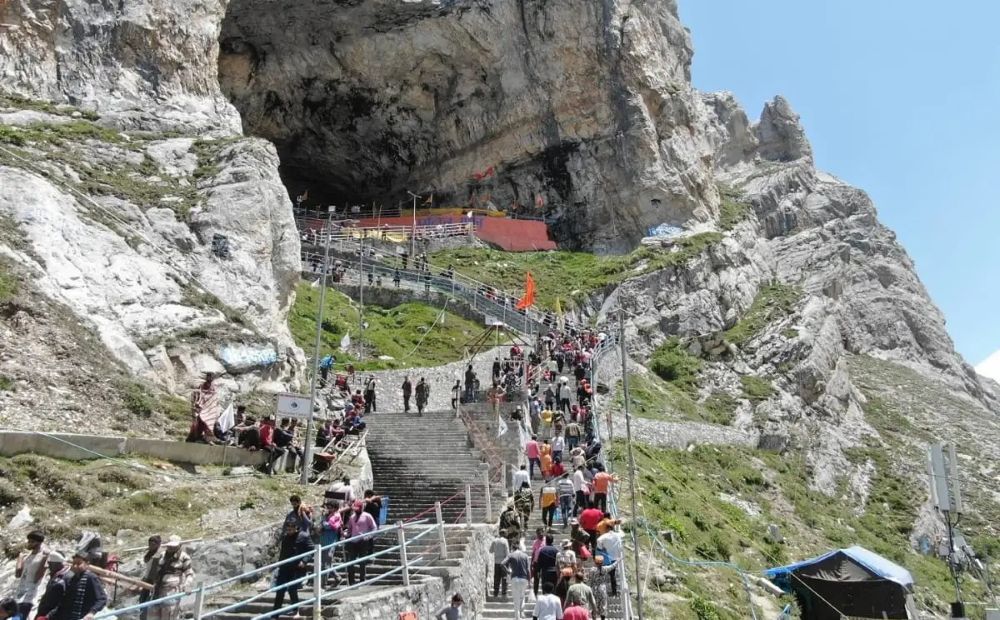
Amarnath Temple is one of the most sacred and renowned pilgrimage sites in India, nestled high in the Himalayas of Jammu and Kashmir. This natural wonder is also known as Baba Amarnath Temple, draws millions of devotees who walk through mountains to seek blessings from Lord Shiva. Therefore, Shri Amarnath Cave Temple is not just any ordinary shrine; it’s a mystical place where nature itself has created a divine sanctuary.
Every year, thousands of pilgrims undertake the sacred Amarnath Yatra to witness the miraculous Shivling formed from ice that represents Lord Shiva. This journey of faith combines spiritual devotion with breathtaking mountain scenery, making it one of India’s most wonderful pilgrimage experiences in India.
The Amarnath Temple history dates back to thousands of years, with references found in ancient Hindu scriptures like the Mahabharata, Skanda Purana, and Nilamata Purana.
According to historians, the sage “Bhrigu” first discovered this holy cave.
Over the centuries, Shri Amarnath cave temple has maintained its sacred status despite the challenging journey required to reach it.
In modern times, the Shri Amarnathji Shrine Board was established in 2000 to manage the temple and ensure pilgrim safety. This board, chaired by the Lieutenant Governor of Jammu and Kashmir, oversees everything from safety protocols to worship arrangements.
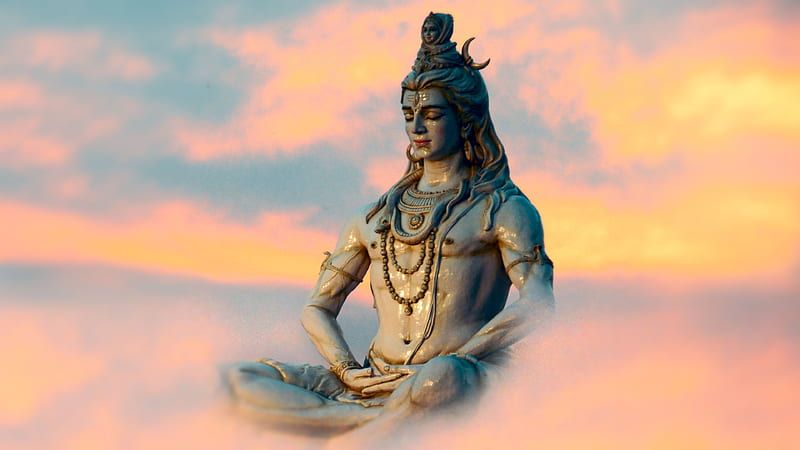
The sacred story of Amarnath temple is one of the most enchanting tales in Hinduism. According to ancient texts, Goddess Parvati once asked Lord Shiva why he wore a garland of heads (mund mala) around his neck. Shiva explained that he added a new head each time Parvati was reborn.
Curious about this revelation, Parvati asked why she had to die and be reborn while Shiva remained immortal. To answer Parvati’s question, Lord Shiva agreed to recite the Amar katha to Goddess Parvati i.e., the secret to immortality.
For this divine story, Shiva needed complete privacy. So, he carefully chose the isolated Amarnath cave and left behind all his companions at different locations:
Before entering the Amarnath cave with Parvati, Shiva created divine fire to ensure no living being could overhear the secret story. However, a pair of pigeons which were already inside the cave heard the entire story and became immortal. Even today, pilgrims sometimes spot these sacred pigeons near Amarnath cave.
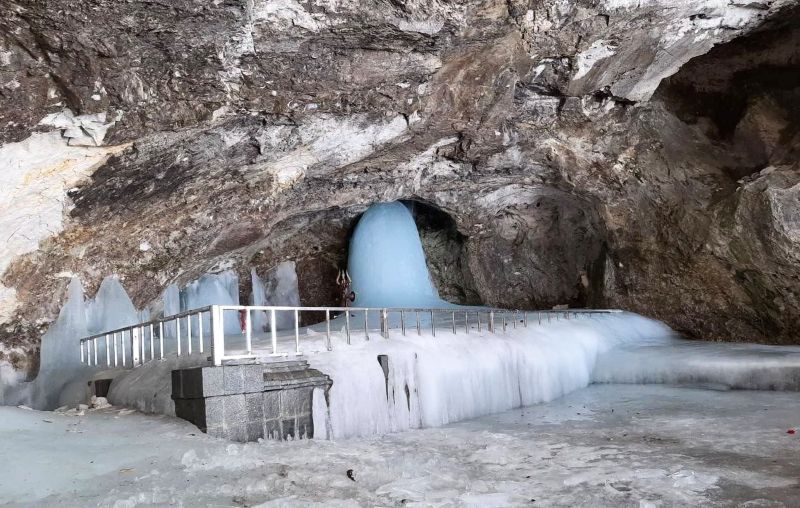
What you’ll find inside Amarnath Temple is truly extraordinary. The shrine is a natural limestone and gypsum cave, standing 40 meters high and covered with snow for most of the year. This isn’t a man-made temple but a sacred cave formed by nature itself.
The main attraction is the swayambhu (self-formed) ice Shivalinga, created by water droplets that freeze as they fall from the cave’s ceiling. This miraculous ice formation changes with the lunar cycle, reaching its maximum height during the full moon in the month of Shravan (August).
Alongside the main ice Shivalinga, you’ll also see two smaller ice formations believed to represent Goddess Parvati and Lord Ganesha.
The temperature inside remains close to freezing, adding to the otherworldly experience.
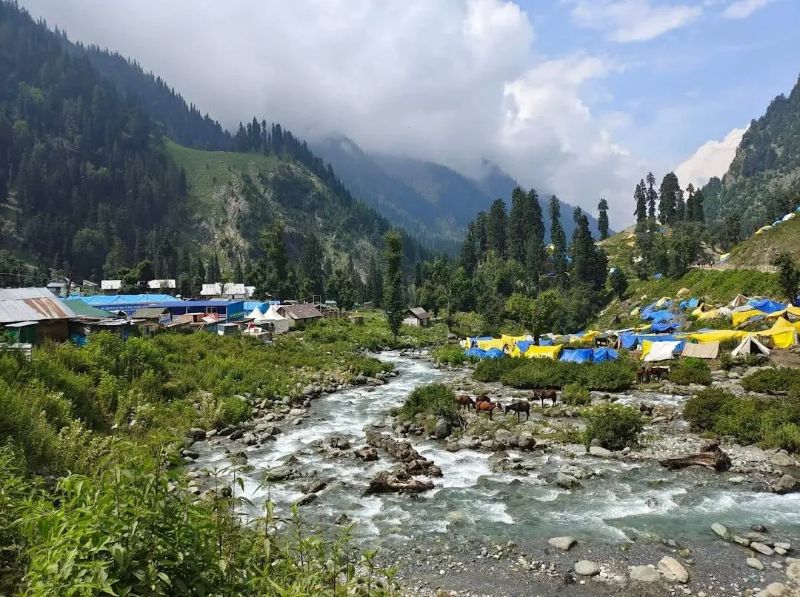
There are two primary trekking routes, each offering different experiences:
By Air: The nearest airport is located 92 km from Pahalgam, 95 km from Baltal i.e., Srinagar Airport.
By Rail: Jammu Tavi Railway Station (235 km from Pahalgam, 340 km from Baltal)
By Road: Regular bus and taxi services connect both base camps to major cities
For pilgrims who are busy and prefer aerial transport, they can opt Amarnath Yatra via Helicopter which is the fastest way to reach the sacred shrine. There are three major helipads available, each located around 6 km from Amarnath cave.
From the Panchtarni helipad, pilgrims still need to trek about 6 kilometers to reach the actual cave. This final stretch takes approximately 2-3 hours and involves some steep sections, but it’s much easier than the full trek from base camps.
Helicopter tickets typically cost between ₹7,000-₹10,000 for shorter routes and ₹20,000-₹25,000 for longer routes like Srinagar to Panchtarni.
Shri Amarnath Cave temple is open only for a short period each year—usually from early July to mid-August—due to harsh weather in kashmir. Since the entire Amarnath Yatra lasts just 40 to 50 days, there isn’t a huge difference between one time and another to call the “best.” However, most pilgrims prefer visiting during early August (Shravan month) when the ice Shivling reaches its maximum height.
While visiting the Shri Amarnath Cave Temple, consider exploring these nearby attractions:
1. Sheshnag Lake (13 km):
A high-altitude sacred lake nestled amidst snow-capped peaks, Sheshnag Lake is believed to be formed by the mythical serpent king, Sheshnag. Its turquoise waters and spiritual significance make it a must-visit for pilgrims and trekkers alike.
2. Thajiwas Glacier (23 km):
Thajiwas Glacier, just a short distance from Sonamarg, offers a refreshing escape into nature with its sparkling ice formations and scenic surroundings. Visitors often enjoy short hikes, pony rides, and peaceful moments amid its cool, serene landscape.
3. Zojila Pass (26 km):
Perched high in the mountains, Zojila Pass serves as a gateway between Kashmir and Ladakh. Known for its winding roads and raw natural beauty, the pass offers a memorable experience for travelers drawn to high-altitude landscapes.
4. Sangam Point (2 km):
This sacred spot marks the confluence of the Amravati and Panchtarni rivers. Pilgrims often pause here for its spiritual importance and serene atmosphere before heading towards the Amarnath Cave.
The Amarnath Temple represents more than just a pilgrimage destination – it’s a holy journey to connect with the divine. From its incredible Amarnath Temple altitude of 3,888 meters to the mystical ice formations inside Amarnath Temple, every aspect of this sacred cave inspires awe and devotion.
Whether you choose the traditional Pahalgam route or the challenging Baltal, understanding how to reach Amarnath Temple and preparing properly will ensure a safe and meaningful Amarnath Yatra.
This sacred Baba Amarnath Temple offers an experience that stays with pilgrims for a lifetime, combining the thrill of high-altitude trekking with profound spiritual significance.

Phone: (+91) 8077146567 | 7455856399
Email: info@indiathrills.com